Nohena Insights · Operations
Apapa port congestion and Tin Can delays explained
Apapa port congestion and Tin Can delays are chronic issues in Nigeria, driven by poor infrastructure and inefficient processes that increase costs. Importers can mitigate these impacts with strategic planning.
Nohena · 9 September 2026 · 8 min read
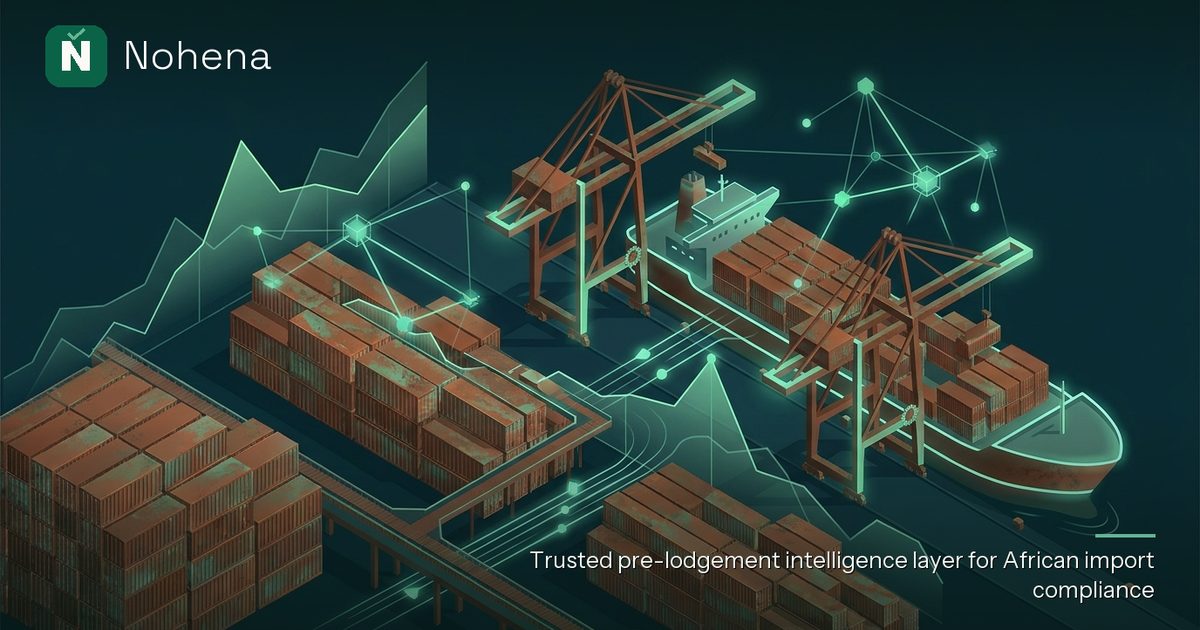
Causes, impact, and strategic responses to delays at Lagos ports
Apapa port congestion and related Tin Can Island delays are persistent challenges for Nigerian importers, stemming from a combination of inadequate infrastructure, inefficient operational processes, and concentrated trade volumes. These factors create significant bottlenecks, leading directly to higher costs through demurrage and detention, unpredictable supply chains, and increased business risk. While systemic solutions are gradually being implemented, importers can mitigate the financial and operational impact of these Lagos port issues through meticulous advance planning, flawless documentation, and strategic logistics choices that reduce their exposure to delays at the terminal.
The root causes of Apapa port congestion and Tin Can delays
The congestion plaguing Nigeria's two busiest ports is not a single problem but a complex interplay of long-standing issues. Understanding these root causes is the first step for an importer to develop effective mitigation strategies.
Infrastructure deficits
The physical infrastructure in and around the ports is a primary contributor to the delays. The system is under constant strain, operating far beyond its original design capacity.
Road network collapse: The access roads to the Apapa and Tin Can Island port complexes are notoriously dilapidated and insufficient for the volume of traffic they must support. This poor road infrastructure creates a severe bottleneck, slowing truck turnaround times from hours to days. Trucks waiting to enter or exit the ports form long queues that paralyze local traffic and trap containers, effectively extending the port's perimeter of congestion miles outward.
Limited port and terminal capacity: The ports themselves, constructed decades ago, are struggling to cope with the demands of modern global trade. Vessel sizes have increased, and container volumes have grown exponentially. Insufficient berth space, constrained container stacking areas, and aging cargo handling equipment all reduce the efficiency with which containers can be discharged from vessels and positioned for evacuation.
Underdeveloped rail links: An efficient rail system is a critical component for evacuating large volumes of cargo from a port. The rail infrastructure connecting to Apapa and Tin Can has historically been underutilized or inadequate, placing nearly the entire burden of cargo evacuation onto the already overstressed road network.
Procedural and operational inefficiencies
Beyond physical infrastructure, the processes governing cargo clearance are a major source of friction and delay. These procedural hurdles add significant time to the clearance cycle, all while the demurrage clock continues to run.
Manual and bureaucratic processes: Despite efforts toward automation, many aspects of the cargo clearance process remain manual and require face-to-face interaction at multiple checkpoints. The involvement of numerous government agencies, each with its own set of procedures and documentation requirements, creates a complex and often redundant bureaucratic web that is difficult to navigate quickly. The lack of a truly unified and fully adopted single window system perpetuates these inefficiencies.
High rate of physical examination: A risk management strategy that relies heavily on physical examination of cargo, rather than intelligence-led, risk-based scanning, inevitably creates backlogs. When a high percentage of containers are flagged for physical inspection, it overwhelms the capacity of customs and terminal staff, leaving containers waiting for days or weeks to be examined.
Terminal and shipping line practices: Certain operational practices by private actors can worsen congestion. For example, the designation of empty container return points to depots far from the port forces truckers into long, time-consuming trips, keeping them off the road for productive work and adding to the general traffic chaos in the port area.
The tangible impact on importers
The consequences of port congestion are not abstract; they translate into direct, measurable costs and significant operational disruptions for importers and the broader economy.
Escalating costs of importation
The most immediate effect of port delays is a sharp increase in the cost of bringing goods into the country. These costs can erode or even eliminate the profit margin on a shipment.
Demurrage and detention charges: These penalties are a major financial risk. Demurrage is a fee charged by the shipping line for the use of its container within the port terminal beyond the allotted free time. Detention is a similar fee for retaining the container outside the terminal beyond the free time. With containers trapped in the port for weeks due to congestion, these charges can accumulate to become a substantial, unplanned expense.
Increased transport costs: The cost of freight forwarding in Nigeria , particularly the trucking leg, is heavily inflated by port congestion. A truck that should be able to complete multiple trips in a week may only complete one. Transport operators price this inefficiency and risk into their rates, leading to some of the highest haulage costs in the region.
Supply chain disruption and unpredictability
For businesses that rely on imported goods, port congestion makes supply chain management exceptionally difficult. The inability to predict when a container will be cleared and delivered makes it impossible to maintain lean, just-in-time inventory models. This leads to production stoppages for manufacturers awaiting raw materials and stockouts for retailers, resulting in lost sales and damage to brand reputation.
Strategic approaches for mitigating Lagos port issues
While importers cannot solve the underlying infrastructure problems, they can adopt strategies to navigate the challenges more effectively and protect their bottom line. The goal is to control every variable possible to move a consignment through the system with the minimum amount of friction.
Proactive and precise documentation
The single most powerful tool an importer has is flawless documentation prepared well in advance of vessel arrival. Any error, omission, or inconsistency in a customs declaration, valuation, or supporting documents can trigger a query or intervention. This immediately halts the clearance process and subjects the container to costly delays. Preparing a lodgement-ready declaration and document pack is not just an administrative task; it is a primary risk management strategy. Decision support tools can help an importer's agent prepare and validate the declaration against known risk rules, flagging potential issues before a lodgement is prepared.
Strategic logistics and operational choices
Working with a knowledgeable licensed agent who understands the fluid situation at the ports is critical. They can provide guidance on a number of operational decisions.
Terminal selection: While all terminals are affected by congestion, some may have more efficient operations or be less congested at a given time. An experienced agent can advise on the best routing.
Use of barges and off-dock terminals: A growing strategy is to use barges to evacuate containers from the main port terminals to bonded terminals located outside the immediate zone of congestion. While this adds a cost, it can be significantly cheaper than accruing demurrage and often provides a faster path to cargo access.
Cargo consolidation: For smaller importers, groupage or less-than-container-load (LCL) services can sometimes offer a more streamlined path, though this depends heavily on the consolidator's own efficiency.
Financial and informational preparedness
Prudent financial planning is essential. Importers should budget for potential demurrage and transport surcharges as a likely cost of business, not a remote possibility. Having funds readily available for customs duties and other port charges is also crucial to avoid payment-related delays. Furthermore, staying informed is key. Practitioners should continuously monitor industry developments, policy changes, and port conditions. Our insights section offers ongoing analysis of the trade compliance landscape for professionals.
Ultimately, navigating the complexities of Apapa and Tin Can requires a proactive, informed, and precise approach. While waiting for long-term infrastructure and policy solutions to take full effect, the importer's best defense is to focus on perfecting their own processes. By ensuring every declaration is defensible and every document is in order before the vessel arrives, they minimize the risk of self-inflicted delays in a system that already has too many. Nohena prepares; the licensed agent lodges.
FAQ
What is the main cause of Apapa port congestion?
The primary cause is a severe mismatch between the high volume of cargo traffic and the capacity of the supporting infrastructure. This includes dilapidated port access roads, insufficient terminal capacity for modern vessels, and an over-reliance on road transport for cargo evacuation.
How can I avoid demurrage charges at Tin Can Island?
While complete avoidance is difficult, the risk can be minimized by ensuring your customs declaration and all supporting documents are prepared perfectly and well in advance of the ship's arrival. This reduces the likelihood of customs queries that trap your container at the terminal while the demurrage clock is running.
Is it better to ship to Apapa or Tin Can?
Both ports face similar congestion challenges. The better choice often depends on the specific terminal operator's current efficiency, the shipping line used, and the on-the-ground intelligence of your licensed clearing agent. One terminal may have a temporary advantage over another, making local expertise vital.
What are barge services and how do they help?
Barge services are an alternative mode of transport that moves containers by water from the main port terminals (Apapa, Tin Can) to smaller, less congested off-dock or bonded terminals. This allows importers to bypass the gridlocked port roads, potentially gaining access to their cargo faster and at a lower overall cost than incurring heavy demurrage.
How does a freight forwarder in Nigeria navigate these delays?
Experienced freight forwarders and clearing agents use a multi-faceted approach. They prioritize meticulous and early documentation preparation, leverage their relationships with port stakeholders, and advise clients on strategic options like using barge services or selecting specific terminals to mitigate predictable delays.